← Home
For clinicians & organizations

More confident conversations.
More compassionate care.

Education, curriculum, and support group development for professionals who want to bring a weight-inclusive, trauma-informed approach to conversations about food and bodies.

When nutrition knowledge is only part of the conversation

Your clients bring more
than food questions.

They bring a history of dieting, body grief, conflicting health messages, and experiences of judgment in healthcare. Clinicians deserve practical support for responding with curiosity, recognizing the limits of their scope, and making room for the person behind the concern.

I work at the intersection of nutrition, body image, and behavior change. Let’s explore how that perspective can support your team, your programming, or your next educational event.

Ways we can work together

Start with what
your team needs.

For dietitians, therapists, counseling practices, clinics, and organizations building more supportive care experiences.

01 /

Clinician education

Workshops · Team learning · Speaking

Explore food and body image concerns through a weight-inclusive lens. Sessions can focus on language, common client patterns, practical conversation skills, and appropriate collaboration or referral.

Explore education topics →
02 /

Support group development

Program design · Facilitation · Implementation

Shape a group experience around your audience and goals. Discuss session structure, discussion prompts, facilitator preparation, group boundaries, participant feedback, and implementation.

See how a project can take shape →
03 /

Curriculum & consultation

Educational resources · Adaptation · Mentorship

Explore curriculum options, facilitator guides, patient handouts, or a tailored educational project. Consultation can help clarify your content, strengthen facilitation, and plan next steps.

Explore curriculum options →
Conversations I can help you open

Nuance belongs
in the room.

Choose a focused session or explore a series. Topic, format, and depth can be shaped around your audience.

Food and body image in the GLP-1 era

Make room for client autonomy, appetite experiences, changing bodies, plateau and maintenance concerns, and the emotions that can accompany treatment. Explore supportive language and collaboration within professional scope.

Body grief and changing bodies

Explore the loss, uncertainty, identity shifts, and expectations that may accompany body changes. Practice conversations that validate the experience and create room for care without requiring body positivity.

Food preoccupation, restriction, and eating concerns

Discuss the different experiences people may describe as “food noise,” the questions worth asking, and how to recognize when nutrition support or eating disorder evaluation may be appropriate.

Weight stigma and weight-inclusive care

Reflect on how assumptions and everyday language shape care experiences. Consider ways to center dignity, consent, and the person’s own priorities in conversations about health.

Facilitation and behavior change conversations

Explore curiosity-based prompts, group boundaries, participation, emotionally difficult moments, and helping participants move from discussion toward meaningful, manageable practices.

From content to conversation

A stronger foundation
for your groups.

Curriculum · Facilitator support
Thoughtful implementation
Make the material work for your setting

Useful resources.
A plan for using them.

We can discuss existing curriculum options or a customized project, depending on your topic, audience, and intended use. Potential deliverables include session outlines, slides, facilitator guides, reflection handouts, and participant surveys.

We’ll agree on the materials, customization, usage permissions, and implementation support in the project scope. This is an inquiry-based service; there’s no course or curriculum purchase required to start a conversation.

Discuss curriculum & customization →
How collaboration can work

A clear starting point.
A scope that fits.

01 /

Share the need

Tell me who you serve, what you’re noticing, and what you’d like your clinicians or participants to leave with. An early idea is enough to begin.

02 /

Shape the project

Discuss the format, learning goals, deliverables, timeline, and fee. We’ll clarify what’s included before moving forward.

03 /

Bring it into practice

Build in the preparation, delivery, feedback, or follow-up that fits the agreed project. The aim is material your team can use in real conversations.

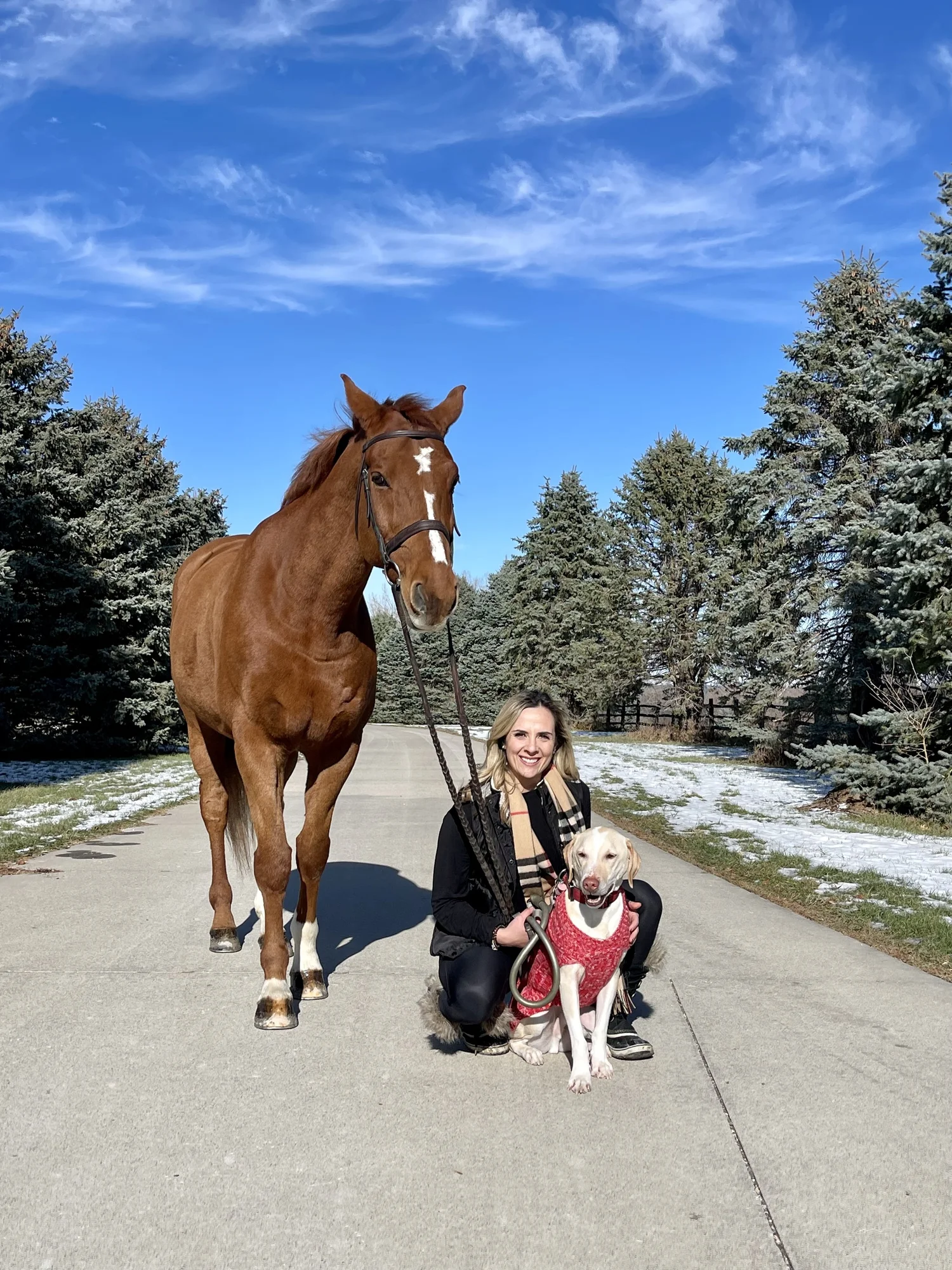
Mackenzie outside with her horse and dog
Meet your collaborator

Hi, I’m Mack.

I’m Mackenzie Woolwich, RD, LD, a weight-inclusive dietitian and body image coach. My work includes nutrition counseling, support group curriculum development, group facilitation, clinician education, and facilitator mentorship.

I bring a trauma-informed, curiosity-based approach to the places where food, bodies, and behavior change overlap. I care about helping professionals feel more prepared for nuanced conversations while honoring the autonomy and lived experience of the people they serve.

Educational consultation supports learning and program development. It does not replace mental health treatment, medical care, credentialed clinical supervision, or your organization’s professional responsibilities.

Get a feel for my perspective →
Before we connect

A few practical
questions.

Can this be tailored to our team?

Yes. Share your audience, setting, and learning goals so we can discuss an appropriate format and scope. A therapist workshop, RD learning session, and patient support group may need different content and facilitation.

Can we start with a single workshop?

A focused workshop or educational session can be a starting point. You can also inquire about a curriculum or support group project with several components.

How are pricing and timelines determined?

Fees, scheduling, and availability depend on the scope, preparation, customization, and delivery format. We’ll discuss these before you commit to a project.

Can we discuss clinical examples?

We can discuss general or de-identified learning examples within an appropriate consultation format. Please keep patient names, identifying details, and health records out of an initial email.

Let’s start with your idea

What would make care
feel more supportive?

Tell me about your organization or role, who you serve, the topic or project you have in mind, and your preferred timing. It’s okay if you’re still figuring out the details.

Send a collaboration inquiry →

Opens your email app. You can also write to mackenzie@mackenziewoolwich.com.